一、 场地分析与设计挑战 您的场地示意图
 Midjourney Bot
更新时间:2025-11-10
00:06:34
Midjourney Bot
更新时间:2025-11-10
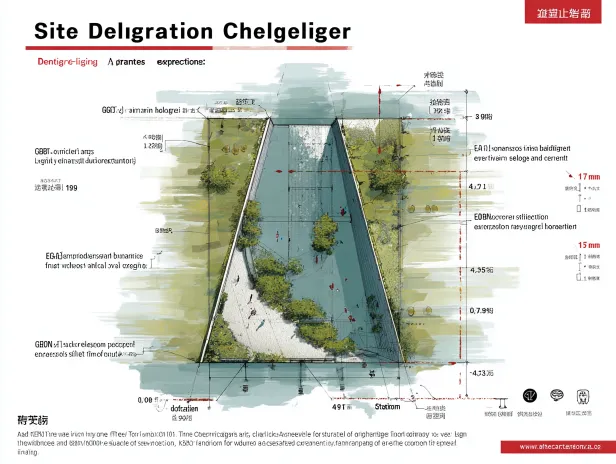
00:06:34提示词:https://images.gogpt.vip/aigf/m_origin/20251109/1930503/hhr2ky72c9a3uq6a.jpeg I. Site Analysis and Design Challenges Your site diagram clearly shows a narrow trapezoidal space (approximately 50㎡). This is the core challenge of the design and also the starting point for creativity. Shape Characteristics: The depth (8 meters) is greater than the width (top base 4.95 meters, bottom base 7.92 meters), providing obvious directionality and perspective. The design should utilize this characteristic to guide visitors from the entrance to explore the interior. Spatial Perception: It can easily appear long and oppressive. The solution is to create a rich experience of "big in small" through clever spatial division (such as segmentation, undulation, and concealment). Surrounding Relationships: On both sides are "adjacent exhibition booths," meaning lateral visibility is limited, so the focus should be on creating landscapes at the front and back (entrance and end). The "lawn" areas in the front and back can borrow scenery to integrate the garden into a broader environment. II. Design Concept Direction Suggestion: An "Ecological Corridor" of Exploration and Discovery We can conceptualize this narrow base as a condensed ecological exploration corridor, allowing visitors to experience a complete journey of an "eco-friendly community garden" within just 8 meters. Theme Naming Examples: "Layered Greenery Corridor" or "Neighborhood Ecological Valley." Layered Greenery: Signifies the richness of plant layers and ecological superposition. Corridor: Refers to the physical form of the corridor as well as symbolizing a gathering place for community interactions. Neighborhood Ecological Valley: Emphasizes community attributes and the sense of enclosure converging towards the center. III. Specific Implementation Strategies for the Trinity (Ecological, Social, Educational) Along the 8-meter depth, we will divide the garden into three functional segments, progressing layer by layer: First Segment: Entrance Interaction Zone (Sociality First, approximately 2-3 meters deep) Function: Attract, linger, initial interaction. Design Techniques: Welcome Node: Set up a low archway or landscape wall made of recycled wood or eco-cement, embedded with tiles or QR codes featuring community marks (introducing garden concepts) to clearly define the entrance. Interactive Facilities: One side has a shallow dish-shaped rainwater collection display device (combined with ecological education), and the other side features a set of lightweight mobile seats or low wooden benches for brief rest and conversation. This is the "living room" of the garden. Plant Configuration: Mainly bright, fragrant ornamental grasses and seasonal flowers, such as sage, sweet alyssum, etc., to create a friendly, warm atmosphere. Second Segment: Ecological Core Area (Core of Ecology and Education, approximately 3-4 meters deep) Function: Showcase ecological technologies, biodiversity, and provide immersive experiences. Design Techniques: Terrain Creation: Implement micro-topography on the ground to form gentle slopes, breaking the monotony of the narrow space. Paths may become winding gravel or wooden walkways. Ecological Technology Display: Insect Hotel: Use recycled wood, bamboo tubes, pine cones, etc., to provide habitats for insects. Compost Bin: Designed as an aesthetically pleasing wooden box labeled "Garden's Kitchen," showcasing the process of turning kitchen waste into treasure. Native Plant and Nectar Plant Strips: Plant native species from Shanghai (like creeping fig and wandering Jew) and nectar plants that attract butterflies and bees (such as verbena and asters), hanging introduction boards to create a vivid biodiversity conservation classroom. Vertical Greening: Utilize the boundary walls on both sides or set up grids to plant climbing plants (like trumpet vine and morning glory) to increase greenery and improve microclimate. Third Segment: Tranquil Reflection Area (Sublimation of Education and Sociality, approximately 2-3 meters deep) Function: Quiet observation, contemplation, solitude, or in-depth conversations in small groups. Design Techniques: Visual Focus: Set up a core landscape feature, such as a small mirror water landscape (recycled water, cost-controlled) reflecting sky light and cloud shadows, or an interesting "seed sculpture." Enclosed Space: Create a relatively private corner using taller plants (like slender bamboo, ornamental grass screens). Educational Extension: Set up a "touchable" planting box growing edible herbs (mint, basil), with tags introducing their characteristics, embodying the concept of "edible landscape," and conveying thoughts of low carbon and self-sufficiency. IV. Plant and Material Suggestions (Aligning with Shanghai's Floral Landscape from April to May) Plant Selection: Skeleton Plants: Use a small number of ornamental grasses (like foxtail grass) or evergreen shrubs (like fruit orchids) to set the tone. Theme Flowers: Focus on blue-purple and white hues to create a tranquil and elegant atmosphere. Recommended: sage, delphinium, lupin, foxglove, Mexican sage, etc. They bloom in spring, have beautiful forms, and are excellent nectar plants. Ground Cover: Use organic mulches like bark and pine needles to retain moisture and suppress weeds, reflecting ecological management. Material Selection (keeping costs under 70,000): Main Materials: Prioritize recyclable wood, bamboo, eco-cement bricks, local stones/gravel. These materials are simple, environmentally friendly, and cost relatively controllable. Small Features: Use repurposed old items wherever possible (like old tires for planting beds, old ceramic pots for water features), reflecting a low-carbon philosophy. Summary: Design Highlights Transforming Disadvantages into Advantages: Converting the narrow terrain into a rhythmic "exploration journey," avoiding flat narratives. Narrative Layout: From front to back, forming a complete narrative logic of "attraction-exploration-reflection," tightly adhering to the theme. Perceptible Ecology: Directly showcasing ecological technologies like composting, insect hotels, and rainwater collection as landscape elements, making "eco-friendliness" visual and understandable. All-Age Friendly Details: Gentle slopes, touchable herb gardens, and interesting signage cater to the different needs of children, adults, and seniors. Garden Background, --ar 4:3 --v 7 --stylize 100 --iw 0.25
素材来源:Midjourney中文版
Copyright©2017 Midjourney9.com All Right
Reserved 版权所有:成都金翼云科技有限公司 蜀ICP备2023008999号